Scope
Schedule
4 Months
Location
West Virginia
Estimated Cost
$85K (installation)
Client
Gas Gathering Company
Project Overview
The client faced a critical challenge: key segments of their remote pipeline were failing to meet federally mandated cathodic protection (CP) requirements due to a complete lack of available power. Located far from grid infrastructure, the site required a dependable, cost‑effective way to energize the CP system and restore regulatory compliance—without introducing excessive operational complexity or risk. To solve this, LSC delivered a turnkey solution that generated reliable onsite power and fully restored CP performance, giving the client confidence in both their regulatory standing and the long‑term protection of their assets.
Deliverables:
- Full Engineering Design
- Design Packages
- Procurement
- Final Report
Project Team

Caitlin Sloan
Director, Project Management

Steve Spooner
Project Manager

Zach Stephan
Estimator
A Fully Integrated EPC Partner
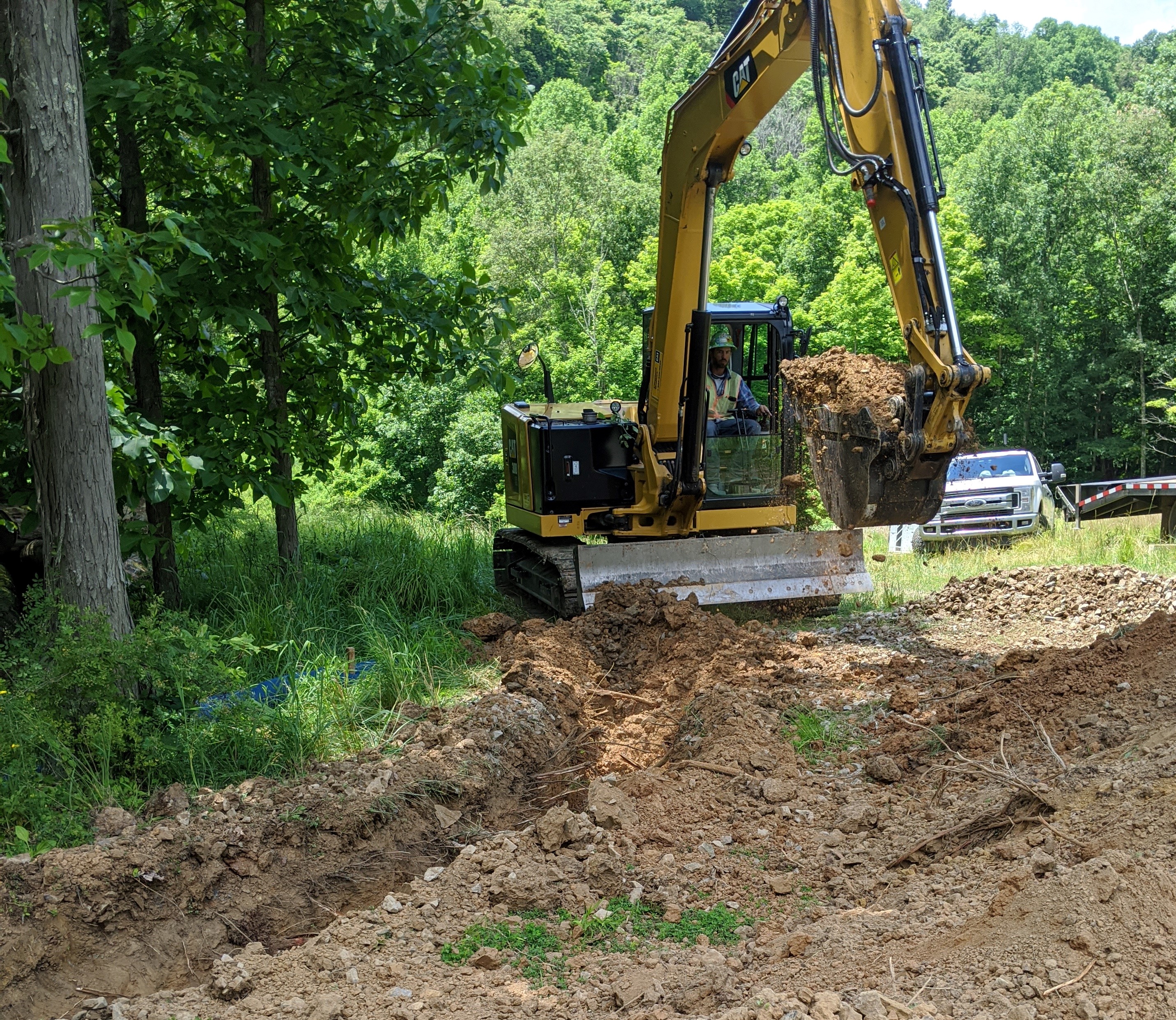
LSC’s engineering and integrity teams collaborated to define technical requirements, develop the conceptual design, and establish the construction strategy. Acting as a single‑source provider for engineering, procurement, construction, and commissioning, LSC streamlined communication, reduced handoff delays, and accelerated overall schedule efficiency.
Transforming a Remote Pipeline Challenge into a Reliable, Long‑Term Solution
To overcome the power challenge, LSC engineered a fully independent gas‑to‑electric power generation system tailored for remote CP operations. The solution included:
· Tapping high‑pressure natural gas from the pipeline
· Dehydrating, heating, and reducing gas pressure to create a safe, consistent fuel source
· Routing the treated gas into a thermoelectric generator (TEG)
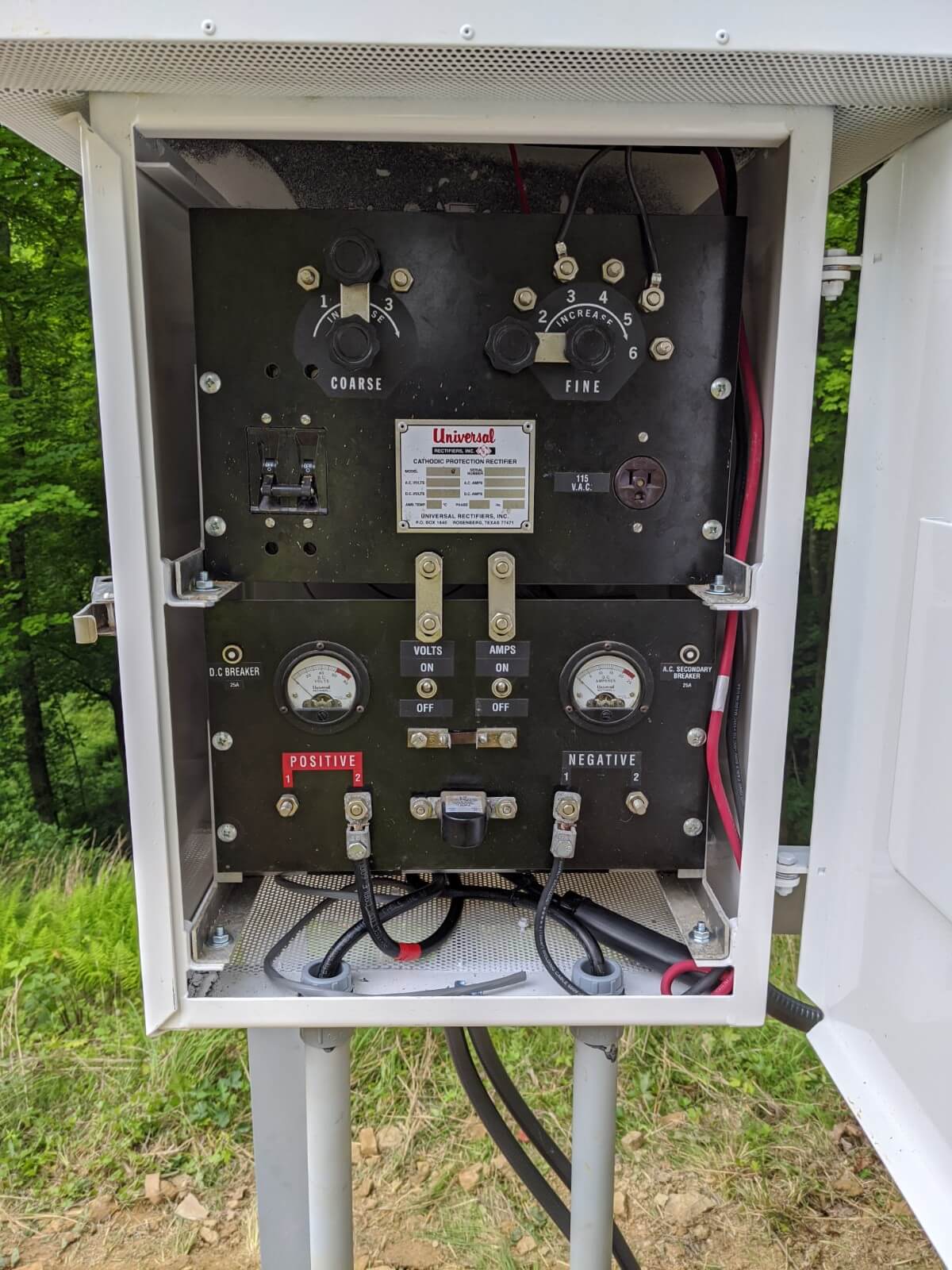
· Converting TEG output to stable DC power via a rectifier
· Supplying that DC power to a redesigned CP system to protect buried pipeline assets
This purpose‑built system brought the pipeline into full compliance with 49 CFR Part 192 and PHMSA/DOT requirements, ensuring safe, consistent operations in a location with no grid access.
By consolidating responsibility under one partner, the client benefited from reduced project risk, fewer coordination challenges, improved communication, lower execution costs, and a durable long‑term power solution that supports ongoing integrity management.