Scope
Schedule
3 Years
Location
Pennsylvania and West Virginia
Estimated Cost
$16K
Client
Midstream Transmission Company
Project Overview
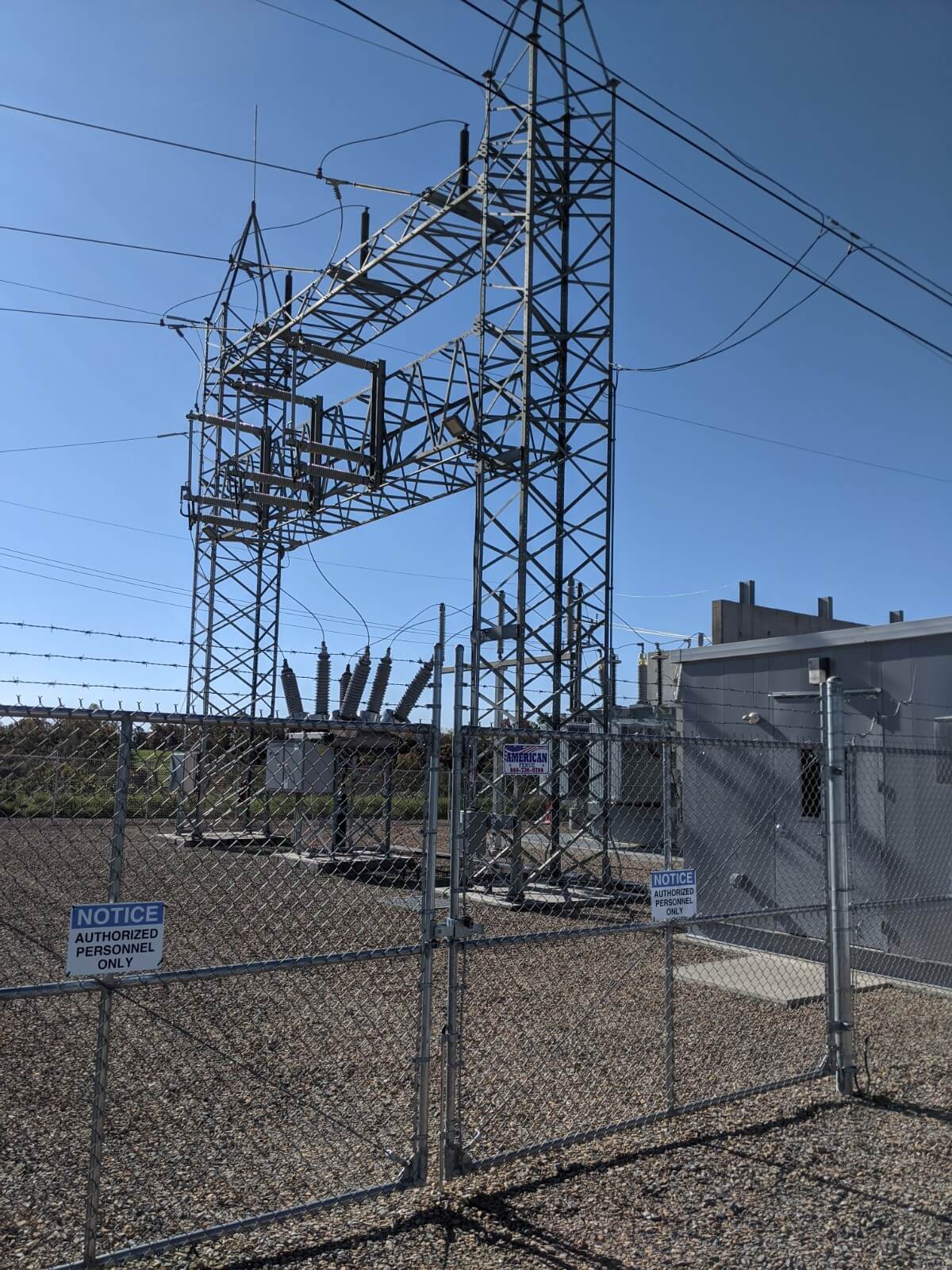
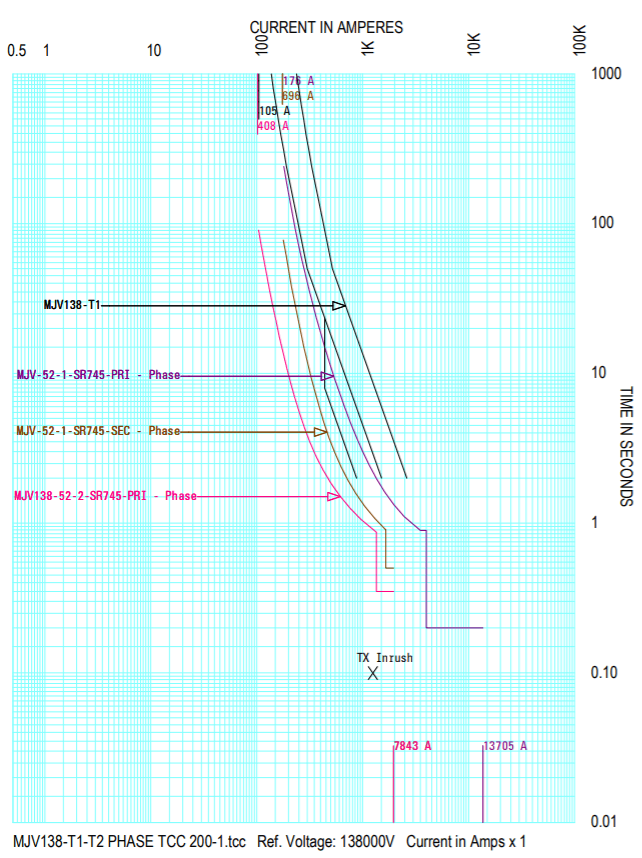
The client faced recurring reliability and safety concerns within their power distribution network, driven by aging infrastructure, inconsistent protective device performance, and limited visibility into how their system would behave during fault conditions. With operations spanning from high‑voltage substation transmission down to low‑voltage distribution panels, they needed a comprehensive, systemwide assessment to reduce risk, improve protection, and ensure their electrical network could support future growth. To address these challenges, LSC was engaged on three separate occasions to strengthen the network’s performance and resilience. LSC conducted full coordination and short‑circuit studies across the entire electrical system, developing a detailed SKM PowerTools model that incorporated more than five miles of 138 kV and 34.5 kV transmission lines. This model gave the client a data‑driven foundation for planning upgrades, validating equipment ratings, and making informed decisions that improved system protection and operational reliability.
Deliverables:
- Protective Coordination
- Equipment Evaluations
- Power Systems Study
- Equipment Recommendations
Project Team

Curtis Fry
Director, Engineering
System Protection Improvements
Through detailed modeling and analysis, LSC identified fuse and breaker miscoordination issues at the transmission level, as well as equipment that lacked adequate short‑circuit ratings. LSC provided targeted recommendations to correct these deficiencies, improve selective coordination across 5 kV and 480 V systems, and reduce the likelihood of unnecessary outages. These improvements positioned the client to operate with greater confidence in the reliability and safety of their power distribution network.
Clear Reporting That Drove Safer Operations
LSC compiled all findings and recommended system modifications into a clear, comprehensive report that guided the client through required adjustments. By implementing these recommendations, the client strengthened protective coordination, reduced operational risk, and ensured their electrical infrastructure was better equipped to withstand real‑world fault conditions—supporting safer, more dependable operations across their facilities.