Scope
Schedule
6 Months
Location
Pennsylvania
Estimated Cost
$525K
Client
Distributed Energy Company
Project Overview
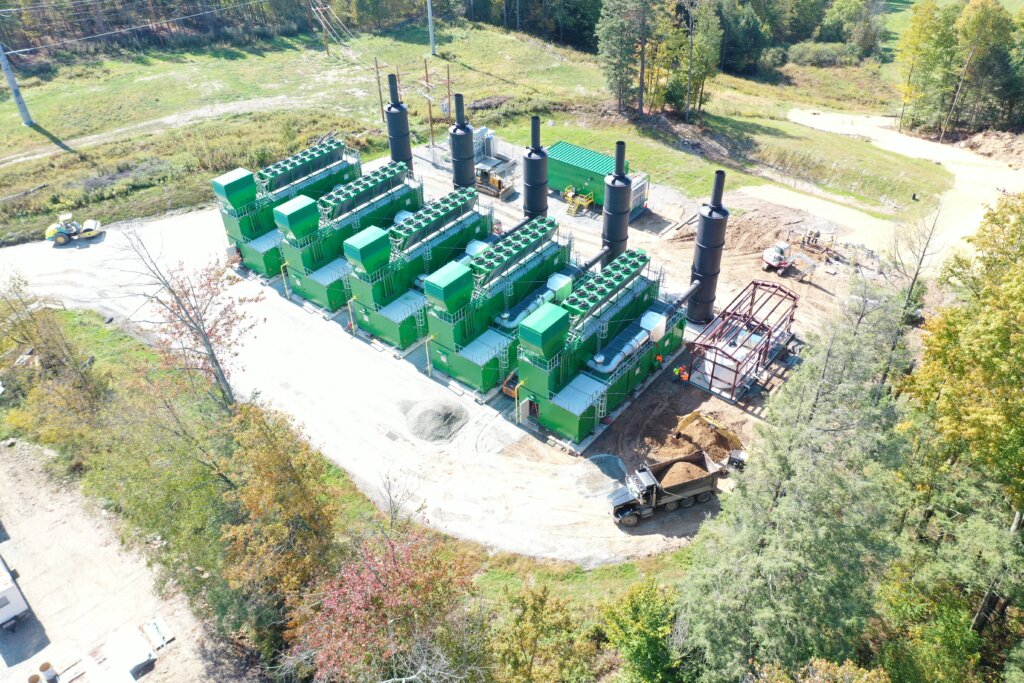
The client needed a reliable and scalable power solution capable of supporting growing energy demands while maintaining resilience, operational flexibility, and long‑term system stability. Traditional utility supply and aging infrastructure could not provide the level of redundancy, efficiency, or performance required for their operations. They sought a purpose‑built generation facility that could be rapidly deployed, easily expanded, and engineered to meet strict reliability and safety expectations. To address this need, LSC delivered full engineering and multidisciplinary design services for a 50 MW natural gas turbine generation facility, deploying ten containerized 5 MW Jenbacher units to deliver flexible, high‑performance power generation with streamlined integration across all systems.
Deliverables:
- Electrical Engineering
- Mechanical Engineering
- Structural Engineering
- Civil Engineering
- Architectural/HVAC
- Document Control/Construction Support
- Procurement Support
Project Team

Ryan Stein
Project Manager

Increased System Reliability
LSC enhanced system reliability by carefully designing station‑service switchgear that accounted for transformer‑failure contingencies and future load growth. By strategically consolidating and siting equipment, the team reduced the overall control‑building footprint while maintaining system integrity and performance. LSC also applied advanced modeling and disciplined design practices to deliver a fully integrated electrical system—including station one‑line diagrams, 13.8 kV collection and protection, backup power systems, redundancy provisions, and instrumentation—resulting in a more stable and resilient power facility.
Optimized, Data‑Driven Design
To maximize performance, LSC developed detailed electrical models using ETAP for 13.8 kV and 480 V systems and utilized SKM PTW32 for duct bank and ground grid design. These tools enabled precise analysis, optimal equipment sizing, and a design approach that improved safety margins, reduced risk, and supported long‑term operational efficiency.


